
Minimum Hours Explained: Why a Four-Hour Party Costs Six Hours of Venue Time
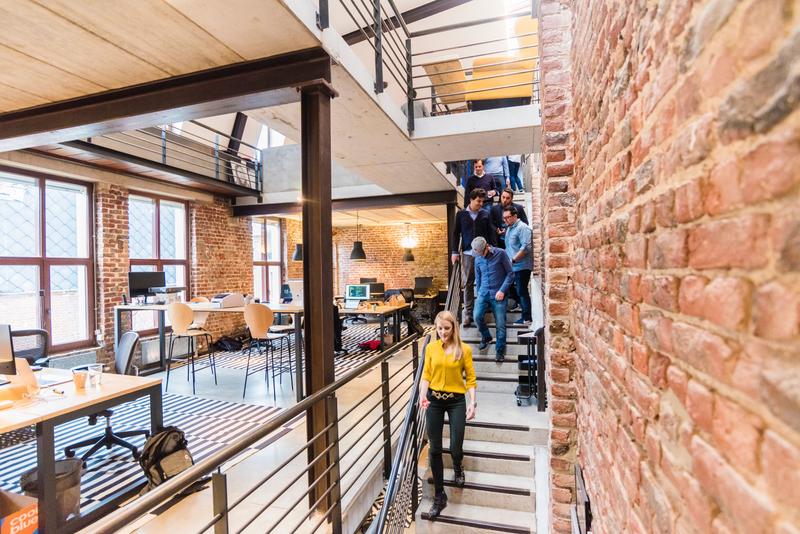
Minimum hours is the smallest block a host will sell, and it is the number that turns a four-hour party into a six-hour bill. As of 2026-11-15, 225 of the 268 listings on Venues NYC set one; the commonest is four hours, on 55 of them, and the median room costs $2,000 for its minimum block before anything else is added.
The number on every listing nobody budgets for
A planner reads a listing in a fixed order: photos, capacity, rate. The minimum sits under the rate in smaller type, and it is the one that decides the invoice, because an hourly rate is a price per unit and the minimum is how many units you must buy. As of 2026-11-15 the catalog’s minimums run from two hours to forty-eight: 47 listings set two hours, 88 set three or four, 77 set six or more, and 43 set none at all, leaving the block to be settled in the offer. The same figures are in the catalog’s machine-readable feed, one line per venue, as “hr min” after the rate, which is how these counts were made. Our guide to the fine print that decides whether a space works covers rules and load-in; this one is about the hours.
Minimum hours by venue type (table from the catalog)
| As of 2026-11-15, by type | Listings | Set a minimum | Commonest minimum | Median minimum | Median room cost at minimum |
|---|---|---|---|---|---|
| Event venues | 55 | 43 | 4 hours, on 14 of 43 | 4 hours | $2,000 |
| Lofts | 45 | 41 | 10 hours, on 8 of 41 | 6 hours | $3,150 |
| Bars and lounges | 37 | 33 | 2 hours, on 11 of 33 | 3 hours | $1,800 |
| Meeting rooms | 26 | 12 | 4 hours, on fewer than five | 4 hours | $700 |
| Studios | 22 | 18 | 4 hours, on 6 of 18 | 4 hours | $2,000 |
| Restaurants | 16 | 14 | 2 hours, on 7 of 14 | 2.5 hours | $1,250 |
| Retail spaces | 12 | 12 | 4 hours, on 5 of 12 | 4 hours | $2,000 |
| Galleries | 10 | 10 | 3 hours and 4 hours, each on fewer than five | 4 hours | $4,899 |
| Warehouses | 9 | 9 | 4 hours and 8 hours, each on fewer than five | 8 hours | $9,600 |
| Rooftops | 7 | 6 | 2 hours, on fewer than five | 3 hours | $1,375 |
The spread is the lesson. Bars and restaurants sell short blocks because the room earns on drinks and dinner once you are in it; lofts and warehouses sell long ones because an empty floor earns nothing until you have built the event inside it, and the host prices the day you will actually occupy. Meeting rooms are the exception that explains the rule: 12 of 26 set any minimum, and the median room cost at minimum, $700, is the lowest in the table; the room comes ready. The host side of the same number is in how hosts price a space.
Setup and breakdown are venue time
The hours you are in the room are the hours you pay for, and you are in the room before the first guest and after the last one. A caterer plating for eighty wants the kitchen an hour ahead; a DJ wants thirty minutes with the house sound; chairs that arrive on a truck arrive on the truck’s schedule, and someone has to stack them again at the end. None of that is the event, and all of it is venue time, because the host cannot sell the hour before you to anyone else and the cleaning crew cannot start until the last box is out. A loft’s six-hour minimum is not a host’s optimism about how long you will dance. It is their estimate of how long the door will be open.
The formula: event + load-in + load-out, rounded up
Venue time equals the event’s length, plus load-in, plus load-out, rounded up to the listing’s minimum and then to whole hours. Write the three numbers down before you compare rates. Load-in is the time from the first vendor’s arrival to doors; load-out is the time from the last guest’s exit to the last box’s. For a room that comes ready, each can be a quarter of an hour; for a shell with a freight elevator, each can be two. If the total is below the minimum, you pay the minimum; if it is above, you pay the total, and the rate that looked cheap at four hours may not at seven. The question for the host, in the inquiry, is whether setup inside the block costs the same as the event itself; the listing does not say.
Three worked examples: a meeting, a party, a shoot
A three-hour meeting for twelve in a meeting room: the laptop plugs into the mounted screen, so thirty minutes in and fifteen out make 3.75 hours, which rounds to four, the median meeting-room minimum; at the median rate of $150 an hour that is $600. A four-hour birthday for sixty in a loft: the caterer needs ninety minutes, the DJ thirty, breakdown an hour, so 6.5 hours of venue time against the loft median of 6 hours; at the median loft rate of $500 that is seven billable hours, $3,500, and in one of the 8 lofts with a ten-hour minimum it is $5,000 whether you use the hours or not. An eight-hour shoot in a studio: a grip truck takes an hour each way, so ten hours against the studio median of 4 hours, about $3,720 at the median studio rate of $372. The same shoot in a warehouse, where the median minimum is 8 hours and the median rate $1,200, clears its minimum and costs $12,000; what you buy for the difference is the loading dock and the ceiling.
FAQ
What does minimum hours mean on a venue listing?
It is the smallest block of time the host will sell, and the figure the hourly rate is multiplied by at the least. As of 2026-11-15, 225 of 268 listings set one, with four hours commonest; a listing without one means the host sets the block in the offer.
Does setup time count toward my booking?
Yes. The hours the room is open for you, from the first vendor in to the last box out, are venue time, and the formula is event plus load-in plus load-out, rounded up to the minimum. Whether setup hours are priced like event hours is a question for the host in the inquiry; the listing does not say.
What is the typical minimum booking for a loft in NYC?
Six hours at the median as of 2026-11-15, with ten hours and six hours the two commonest figures, on 8 lofts each, out of the 41 lofts that set one. At the median loft rate of $500 an hour, the median loft costs $3,150 for its minimum block.
Add the hours before you compare the rates; the minimum, not the rate, is where two listings diverge.