
The Fine Print That Decides Whether Your NYC Event Space Actually Works
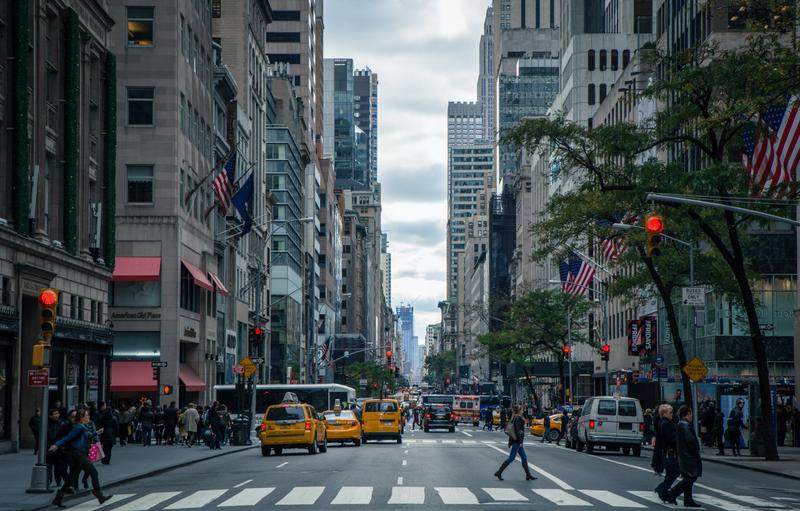
Read enough of our neighborhood pages in a row and a pattern shows up that has nothing to do with price or capacity: the same handful of practical constraints — load-in, noise curfews, and what a space actually permits — keep deciding whether a booking that looked perfect on paper works on the night. They’re worth taking as seriously as the room itself.
The rules that actually get enforced
Every listing on Venues NYC carries its own rule set drawn from a fixed list, and the restrictive versions show up constantly across our catalog: No Smoking, No Alcohol, No Sale of Alcohol, No Cooking, No Outside Food, No Music, No Loud Music, No Late Night Parties, age restrictions on minors, No Open Flame, No Ticket Sales, and Only Invitees (no public events). None of these are boilerplate — they’re the difference between a venue that can host what you’re planning and one that legally cannot, and they should be confirmed before capacity or price.
Where load-in becomes the real constraint
Several of our neighborhood write-ups single out load-in as the thing that decides a booking, independent of how good the room is:
- SoHo — many buildings are walk-ups or share a single freight elevator with retail tenants, and Broadway and Spring are difficult for trucks during business hours. Confirm freight access and load-in windows before booking if your event involves staging or catering equipment.
- West Village — the street grid breaks down entirely, addresses are hard to find, and both parking and load-in are difficult. Send guests a pin rather than an address, and talk to the host about deliveries ahead of the day.
- Tribeca — many buildings are landmarked, which constrains signage, rigging and anything attached to a wall or ceiling. Confirm what you’re allowed to hang before designing around it.
- Lower East Side — streets are narrow and often one-way; ask the host about parking and load-in rather than assuming.
By contrast, Gowanus, Greenpoint and East Williamsburg are working industrial neighborhoods where truck access, loading docks and parking are the norm rather than the exception — one of the real, non-obvious advantages of booking a warehouse over a Manhattan loft.
Where the curfew is the real constraint
Noise curfews follow residential density more than they follow neighborhood glamour. Greenwich Village and the Lower East Side both flag real noise limits after hours in their listings — dense residential neighborhoods where a late finish needs to be confirmed, not assumed. Our own rooftop guide makes the same point specifically for open-air spaces: most NYC rooftops carry a city-mandated sound curfew, often 10pm–11pm, on top of building-specific rules.
At the other end, Bushwick and Koreatown are both called out for staying loud and open late without drawing complaints — Bushwick because the neighborhood doesn’t go quiet at eleven, Koreatown because restaurants, karaoke and bars run past midnight on 32nd Street. If a late, loud finish is non-negotiable, start there rather than fighting a curfew somewhere else.
| Constraint | Where it bites hardest | Where it mostly doesn’t |
|---|---|---|
| Freight/load-in | SoHo, West Village, Lower East Side | Gowanus, Greenpoint, East Williamsburg |
| Noise curfew | Greenwich Village, Lower East Side, rooftops citywide | Bushwick, Koreatown, industrial Brooklyn |
| Attaching anything to walls/ceiling | Tribeca (landmarked buildings), galleries generally | Warehouses, studios built for rigging |
The three questions to ask before you sign
- What does the space’s rule list actually permit — alcohol sale, outside catering, music after a given hour, minors?
- What is the load-in situation: freight elevator, loading dock, street parking, or none of the above?
- Is there a noise curfew, and does it come from the building, the neighborhood, or the city?
Every listing on Venues NYC states its rules directly — check them before you check the photos.