
Concert Venue Rental in NYC: Sound, Curfews and Capacity for Live Music
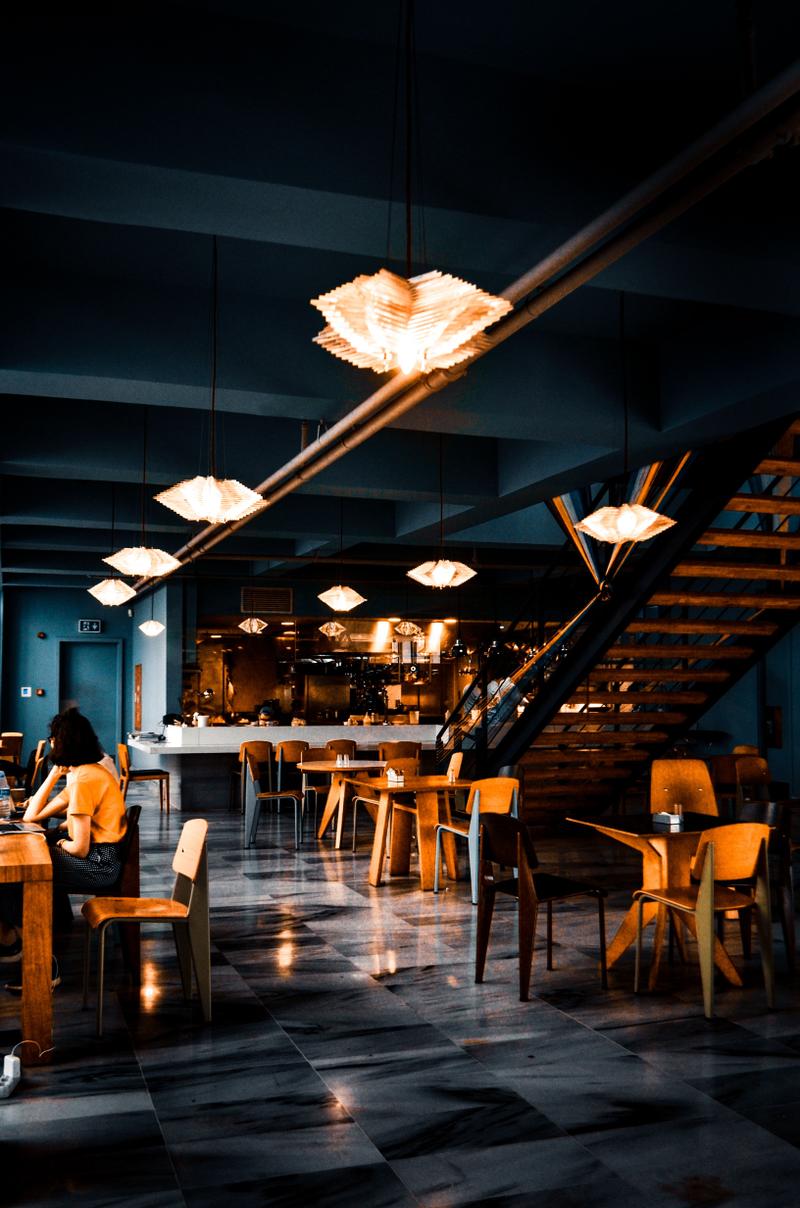
A concert venue you can actually rent is a room with a stage, a sound system and a host who will let you be loud. As of 2026-11-11 the catalog lists 13 venues with a stage and 78 with a sound system, from $100 an hour, and 17 of the sound systems are in bars and lounges. Browse all of them at Venues NYC.
What “concert venue for rent” means on a marketplace
It does not mean Carnegie Hall. Our 2018 post on concert venues for rent is a list of famous halls, and not one of them is a listing here; what a marketplace rents is the room below that tier, a bar with a stage in the back, a loft with a PA, an industrial floor with a landlord who does not mind. The listing shows the amenities line, the capacity and the rate; it does not show how late the room will let you play, which lives in the host’s rules and in the neighborhood, and is the subject of the fine print we covered in the rules that decide whether a space works.
The three amenities that make a room playable: stage, sound, power
Start with the amenities line, and read it literally. As of 2026-11-11, 13 listings carry Stage: they hold 60 to 400 guests with a median of 150, start at $100 to $2,000 an hour with a median of $500, and 10 of the 13 are in Manhattan, the rest in Brooklyn. 78 listings carry Sound System, a far larger pool, holding 6 to 5,000 guests with a median of 100 at $50 to $10,000 an hour, median $500, and the commonest minimum among them is 2 hours. Only one listing in the catalog carries both words, which is less a scarcity of rooms than a lesson in how hosts fill in forms: a bar with a corner riser and a house PA will tick Sound System and leave Stage blank. Power is the third item, and the catalog has no box for it. Lighting Equipment, on 82 listings, is the nearest proxy for a room that has been wired for a show, and whether the house system is a DJ rig or a band rig is a question for the inquiry. The warehouse type page is where three-phase power gets mentioned by name; the warehouses themselves, 9 listings as of 2026-11-11, carry a sound system on fewer than five of them, because a warehouse sells you square footage and permission, and you bring the rest.
Standing capacity vs. listed capacity
A listing’s capacity is almost always its standing number, and a show is the one event where that is the number you want. Seated at rows or tables the same room holds roughly half; standing, shoulder to shoulder, facing the same direction, it holds what the listing says and feels full at less. A room listed for 150 is a room for 150 at a show, and for about 75 if the audience sits, so a listening-room format cuts your ticket count in half before you have sold one. The median stage room, listed for 150 as of 2026-11-11, is therefore a 150-cap standing show or a 75-seat recital, and the rate is the same either way.
Where live music is welcome, by neighborhood
The catalog has no field for noise, so the neighborhoods have to speak for themselves, and three do. East Williamsburg lists six venues as of 2026-11-11 at $105 to $1,000 an hour for 50 to 700 guests, among them a theater for 100 at $150 and a listening bar for 250 at $500; its landing page says outright that it is the better version of a Williamsburg booking when the event is large, late or involves equipment. Bushwick lists eight at $105 to $250 an hour for 50 to 250, the lowest rates of the three, and its page says the neighborhood does not go quiet at eleven. Hell’s Kitchen lists 19 at $85 to $2,000 for 10 to 800, with a theater for 99, a music studio for 150 and the catalog’s only Hell’s Kitchen stage in a speakeasy for 75; its page says the neighborhood stays open late, which it does not say of Midtown.
| As of 2026-11-11 | East Williamsburg | Bushwick | Hell’s Kitchen |
|---|---|---|---|
| Listings | 6 | 8 | 19 |
| Starting rate | $105 to $1,000 | $105 to $250 | $85 to $2,000 |
| Capacity | 50 to 700 | 50 to 250 | 10 to 800 |
| Rooms with a sound system | fewer than five | fewer than five | 5 |
| What the landing page says about late | Large, late, or with equipment | Does not go quiet at eleven | Stays open late |
Greenwich Village and the Lower East Side are the pages that flag noise limits after hours, and a rooftop anywhere is a curfew with a view.
Ticketed shows: what to ask the host (no legal advice)
A rented room becomes a different proposition when the public buys tickets to be in it, and the listing will not tell you whether the host allows that. Ask, in the inquiry, in this order: whether the booking is a buyout or a section of a trading bar, since the bar and lounge page notes both exist; whether the host permits a ticketed, publicly advertised event at all, or only private ones; what the house sound is and who runs it; where the power is; what time amplified sound ends, and whether that limit comes from the building, the block or the host; load-in hours and the door for the backline. None of this is advice about permits or licensing; it is the list a host can answer in one reply.
FAQ
Can I rent a venue in NYC for a concert?
Yes, from the 13 listings that carry a stage and the 78 that carry a sound system as of 2026-11-11, mainly bars and lounges, event venues and lofts rather than halls. Start at Venues NYC and read the amenities line, then ask the host in the inquiry whether a public, ticketed show is permitted in the room.
How much does a small concert venue cost to rent?
Among the 56 sound-system rooms listed for 150 guests or fewer as of 2026-11-11, starting rates run from $50 to $5,500 an hour with a median of $438, and the commonest minimum is 2 hours. Rates are the host’s starting hourly rate; the quote for your date, headcount and add-ons comes back through the inquiry.
Which NYC neighborhoods allow late live music?
The catalog has no curfew field, so the honest answer comes from the landing pages: Bushwick’s says the neighborhood does not go quiet at eleven, Hell’s Kitchen’s that it stays open late, East Williamsburg’s that it suits events that are large, late or involve equipment. The hour amplified sound stops is each host’s to set, and the first question to ask.
Pick the room by the amenities line, the neighborhood by its page, and the end time by asking.