
Booking a SoHo Event Space: Freight Elevators, Load-In Windows and Why the Room Is Rarely the Problem
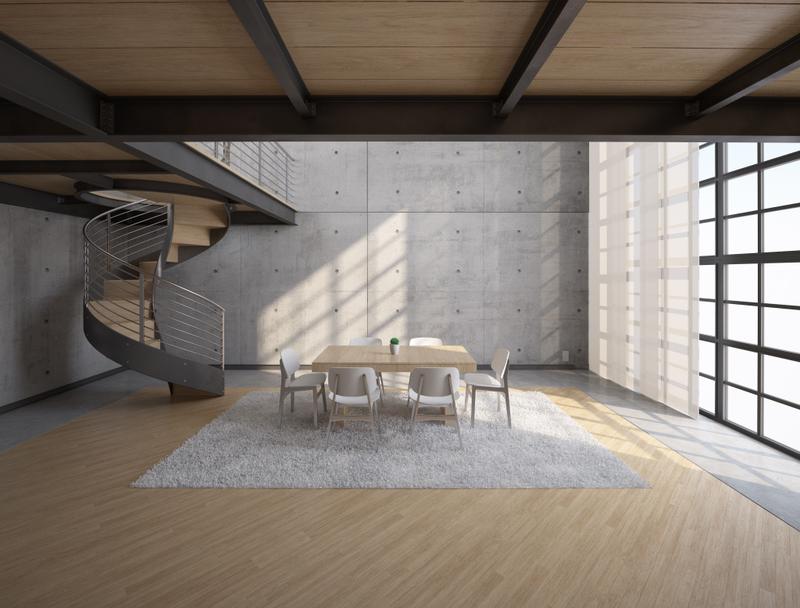
In SoHo the room is rarely the problem; the building is. The landing page says it plainly: load-in is the constraint, many buildings are walk-ups or share one freight elevator with retail tenants, and Broadway and Spring are hard for trucks in business hours. As of 2026-11-21 the catalog lists 17 SoHo venues at $50 to $2,200 an hour, and none of them prints an answer to any of that.
What makes SoHo different from Tribeca two blocks south
The two neighborhoods share a building stock and a century; their landing pages describe opposite experiences of it. SoHo’s cast-iron lofts have the tall windows and column grids that make a room photograph better than a comparably sized one almost anywhere else, and the page’s one practical note is that the elevator, not the room, decides the day. Tribeca’s page describes lofts that are bigger, quieter and more finished, in converted warehouses with heavy timber and freight elevators that were built to carry actual freight, on streets that empty out in the evening. The snapshot agrees with both. SoHo’s 17 listings as of 2026-11-21 start at $50 to $2,200 an hour with a median of $350, hold 6 to 500 with a median of 75, and are 7 lofts, 4 meeting rooms, fewer than five retail spaces and fewer than five event venues; Tribeca’s 10 start at $250 to $5,000, median $710, and hold 25 to 300 with a median of 200. SoHo is the smaller, cheaper, more photogenic room with the harder door; Tribeca is the larger, dearer, quieter one with the door built for it. The difference is the elevator.
The load-in checklist for a cast-iron building
The catalog carries no field for any of this. There is no elevator tag, no freight-hours field and no curb note; the nearest proxy is the Wheelchair Accessible amenity, which fewer than five of SoHo’s 17 listings carry as of 2026-11-21, and Parking, which none do. The checklist is yours to run, in the description and the inquiry, before a deposit.
| Ask | Why it decides a SoHo booking | Where the answer lives |
|---|---|---|
| Walk-up or elevator, and which floor | The page says many buildings are walk-ups | The description, if the host wrote it; otherwise the inquiry |
| Freight or passenger elevator, and its door and cab dimensions | A shared freight car sets what fits and when | Nowhere on the listing; ask |
| Freight hours, and who else uses the car | Retail tenants on the ground floor have deliveries too | Ask; the page warns the car is shared |
| Where a van stops, and for how long | Broadway and Spring are hard for trucks in business hours | Ask; no listing prints a curb |
| Stairs between curb and car, and between car and room | Half-flights and stoops break a hand-truck route | The photographs, then the inquiry |
| What may be hung or rigged | Older buildings constrain fixings; Tribeca’s page says so of its landmarked stock | Ask, and read the Rules panel |
Questions to ask the host, in the order that saves time
Ask in the order that eliminates fastest. First, the floor and the way up: a walk-up above the second floor ends a staged event before the rate is discussed, and a host can answer in four words. Second, the elevator: freight or passenger, the cab’s inside dimensions and the door’s clear width, since a cocktail table on its side and a rolling rack ask different questions of the same car. Third, the hours the car is yours, and whether the ground-floor tenant’s deliveries share them, since a load-in that shares the car with the shop’s delivery is a queue. Fourth, the curb: where a van can stop near the door, for how long, and whether the host has done it before. Fifth, the hours of the room itself against the minimum, since SoHo minimums are uneven, none printed on 6 of the 17 listings as of 2026-11-21 and the rest spread from two hours to fourteen, and a ten-hour block with a two-hour load-in is a different day from a two-hour block with the same load-in. Put the first four in the inquiry note with the date and headcount, as our guide to the inquiry that gets a reply lays out, and the answer is a yes or a no about the building.
Events SoHo is good at, and the one it is bad at
The page’s own list is a product launch, a board offsite and a wedding reception on the same street, and the snapshot supports a narrower version: 4 meeting rooms holding 6 to 16 at $50 to $150 an hour for the offsite, fewer than five retail spaces with street windows for the launch, and the lofts for the reception, 7 of them at $125 to $2,200 an hour with a median of $350. All of these share one thing: the guests and the goods arrive on foot or in a hand-carried box. The event SoHo is bad at is the one that arrives on a truck: a staged show, a built set, a production with rigging and cases, a dinner whose furniture is rented. Our guide to the four kinds of loft makes the same point from the room’s side, and the fine-print guide lists SoHo first among the neighborhoods where load-in, not the room, decides the booking.
Where to look instead if staging is heavy
Two blocks south first. Tribeca’s page sells freight elevators built for freight and streets that go quiet after dark, and its 10 listings as of 2026-11-21 hold a median of 200 against SoHo’s 75, with eight hours the commonest minimum; the trade is the rate, median $710 against $350, and the landmark constraints on what you may hang, which the page says to confirm before you design around them. Beyond Tribeca, the fine-print guide names Gowanus, Greenpoint and East Williamsburg as the working industrial neighborhoods where truck access and loading docks are the norm. The rest of Manhattan, 196 of the catalog’s listings as of 2026-11-21 by the snapshot’s count, sits between those two answers, sorted by the question this post began with: not how good the room is, but how it is reached.
FAQ
Do SoHo lofts have freight elevators?
The catalog cannot tell you: there is no elevator field, and the SoHo page says many buildings are walk-ups or share one freight elevator with retail tenants. As of 2026-11-21 fewer than five of the 17 SoHo listings carry the Wheelchair Accessible tag, the nearest proxy for a step-free route. Ask the host for the floor, the car and its dimensions.
What time can trucks load in on Broadway?
The listing does not say and this post makes no claim about street rules. The SoHo page’s warning is that Broadway and Spring are difficult for trucks during business hours; the useful question for the host is where a van can stop near the door, for how long, and in which hours the building’s freight car is yours.
How much does a SoHo loft cost per hour?
As of 2026-11-21 the 7 SoHo lofts start at $125 to $2,200 an hour with a median of $350, against $350 for all 17 SoHo listings and $500 for the catalog’s 45 lofts. Minimums are uneven, from two hours to ten, and not every loft prints one.
Ask about the elevator before the rate; in SoHo the second question only matters if the first has a good answer.